api.carsxe.com
FeaturedCase study
ADAS Safe × CarsXE
How ADAS Safe uses CarsXE Specifications and Images APIs to document repairs, save time on every job, and power Track.
Read article
Everything we're learning about VINs, plates, and building on the CarsXE API — alongside deep-dive use cases and SDK walkthroughs.
How ADAS Safe uses CarsXE Specifications and Images APIs to document repairs, save time on every job, and power Track.
An instant PDF vehicle report by VIN, plate, or YMM for a flat $5 — no CarsXE account or API key required.
Async-first VIN decoding, market value, history and recalls for any Python app.
TypeScript-friendly client for JavaScript and Node.js back ends.
PHP 8.1+ client built on Guzzle for Laravel, Symfony and plain PHP apps.
Idiomatic Go client for high-throughput vehicle data pipelines.
JDK 11+ client published to Maven Central for any JVM application.
Async .NET client for ASP.NET, Worker Services and Azure Functions.
Friendly Ruby gem for Rails, Sinatra and plain Ruby scripts.
Swift Package for iOS, macOS, tvOS, watchOS and server-side Swift.
Query VINs, plates, market value, recalls and more straight from your terminal.
Plug CarsXE vehicle data into Claude, Cursor, VS Code and any MCP-compatible client.
Bring VIN decoding, plate lookups and market value into your Claude Code workflow.
Bring VIN decoding, plate lookups and market value into your OpenAI Codex workflow.
Add CarsXE skills to Gemini CLI and let it answer vehicle data questions for you.
Give your OpenClaw agent vehicle data superpowers in a single command.
Decode VINs and enrich vehicle datasets without leaving your Snowflake account.
Wire CarsXE vehicle data into any n8n workflow without writing code.
Connect CarsXE to 8,000+ Zapier apps and automate vehicle data workflows in minutes.
Build visual CarsXE scenarios in Make alongside 1,800+ apps — no code required.

When buying a used car, thoroughly inspect the vehicle, check the mileage and history, ask the seller key questions, and consider a mechanic’s inspection to ensure the car’s condition and value.
NMVTIS (National Motor Vehicle Title Information System) helps consumers, businesses, and law enforcement access reliable vehicle history information to prevent fraud, ensure safety, and verify a car's condition before purchase. This article covers the system's benefits, how to access its data, and its legal framework
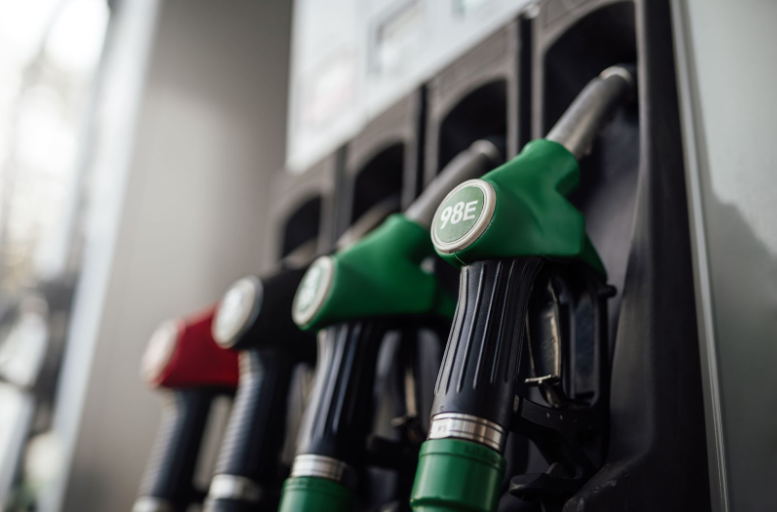
Explore the top four vehicle fuels—gasoline, diesel, ethanol, and natural gas—and their effects on performance, efficiency, and environmental impact to make informed fuel choices.

Choosing the perfect car involves evaluating your needs, budget, and long-term costs while considering options like buying versus leasing and exploring both new and used cars.

This article explains the key differences between hybrid and electric cars, focusing on their power sources and environmental impacts. Hybrid cars use both an internal combustion engine and an electric motor, while electric cars run solely on battery power, offering zero tailpipe emissions and a distinct driving experience.

This article explains how APIs enhance remote vehicle diagnostics and repair by facilitating real-time data access and efficient troubleshooting. APIs allow for remote monitoring and diagnostics of vehicle systems, improving maintenance processes and reducing downtime through seamless integration with existing diagnostic tools.

This article highlights three key reasons why electric cars benefit from integrating Vehicle APIs: real-time battery health monitoring, data-driven energy optimization, and seamless integration with smart mobility services. These APIs enhance performance, efficiency, and user convenience, transforming how EV owners manage and interact with their vehicles.

This article explores Vehicle History APIs, which provide developers with detailed vehicle data like ownership records and accident history. These APIs are crucial for making informed vehicle transactions by offering accurate, real-time information and enhancing trust in the data.

This article will explore five ways Vehicle APIs can help reduce your company's carbon footprint by enhancing route efficiency, streamlining vehicle maintenance, improving fuel usage, optimizing vehicle utilization, and supporting eco-friendly vehicle choices. Discover how leveraging these APIs can lead to significant environmental benefits and contribute to a more sustainable business strategy.